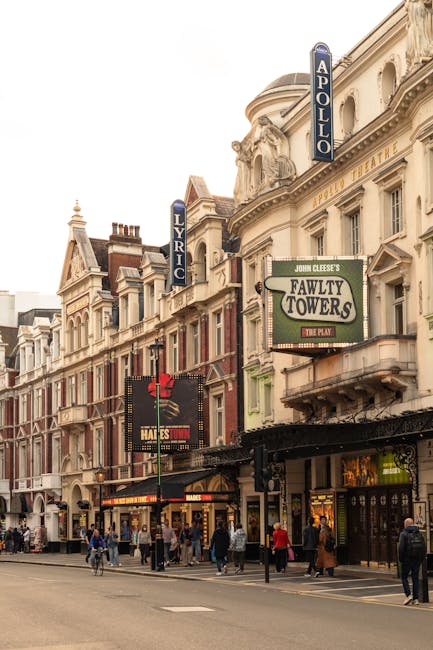
Hammersmith Apollo Event Rubbish Removal for Venues and Promoters
If you have ever watched a venue fill up with cups, cardboard, cable ties, broken packaging, food waste, and the odd mystery item no one wants to claim, you already know the problem. Hammersmith Apollo event rubbish removal for venues and promoters is not just a clean-up job; it is part of keeping an event calm, safe, and professional from doors-open to final sweep. For promoters, venue teams, production crews, and hospitality operators, rubbish builds fast and the pressure is real. One busy night can leave behind more waste than you expect, and it all needs to disappear without slowing down the next booking.
This guide breaks down how event waste clearance works, what to plan for, where the usual headaches are, and how to avoid that last-minute scramble when the bins are already overflowing. It also covers compliance, practical steps, and the kind of detail that makes a real difference in a live venue environment. Let's face it: no one remembers the night because the rubbish was handled brilliantly. But they definitely remember when it was not.
Why Hammersmith Apollo event rubbish removal for venues and promoters Matters
Venue waste is not only about appearance. In a place like the Hammersmith Apollo, event rubbish removal affects safety, crowd flow, turnaround speed, staff morale, and the impression you leave on artists, suppliers, and audiences. A clean loading bay and clear backstage routes make everything run better. A blocked corridor full of empty crates and black sacks does the opposite. It is messy, tiring, and awkward. Nobody wants that at 11:30pm when everyone is trying to get out or get the next show in.
Promoters also carry a different kind of pressure. You are often balancing budget, timing, crew access, and venue requirements at once. Waste is one of those things that gets underestimated until it starts eating into everything else. Spilled drinks, packaging from bar stock, promotional displays, event build offcuts, and general audience litter can pile up fast. And if the clear-down is delayed, so is the reset.
There is also the practical reputation side. A venue that feels well managed tends to make everyone else feel more confident. A tidy venue says the operation is under control. That matters more than people admit.
Practical summary: the best event rubbish removal plans are the ones you barely notice during the show, because they have already been thought through before doors open.
For businesses handling repeated event dates, it is often smarter to treat waste as an operational stream, not a one-off nuisance. That is why many teams look at broader support like business waste removal and general waste removal alongside event-specific clearance planning.
How Hammersmith Apollo event rubbish removal for venues and promoters Works
In simple terms, event rubbish removal is the process of collecting, segregating, loading, and removing waste generated before, during, and after an event. For venues and promoters, the job usually starts before the audience arrives. That is the bit people miss. You need a plan for build waste, bar waste, catering waste, printed materials, packaging, and end-of-night clear-down waste, not just what is left in the auditorium the next morning.
Usually, the process runs in stages. First comes a quick site review: what kind of event is it, how many people, what waste streams are likely, and where are the access points? Then comes timing. Live venues work on tight windows, so collection needs to fit around load-in, showtime, and load-out. Finally comes disposal and sorting. Some waste may be mixed, while other items should be kept separate where practical, especially if you want recycling to be more than a nice-sounding phrase.
In our experience, the smoother jobs are the ones where someone has already answered a few annoying-but-important questions: Where are the bins placed? Who monitors the green room? What happens after peak intermission traffic? Who clears the spill near the merch stand if it happens 10 minutes before the second act? Small details. Big difference.
For event-heavy spaces, it can also help to understand related site-clearance services, especially when waste overlaps with damaged furniture, temporary fixtures, or production leftovers. That is where pages such as furniture disposal and furniture clearance can be useful when planning a broader clean-down.
Typical waste streams at a live event
- Audience litter such as cups, wrappers, napkins, and tickets
- Bar and catering waste including cartons, trays, and food leftovers
- Production waste such as tape, cable ties, packaging, and broken flats
- Promotion materials like flyers, signage, and display items
- Reusable items that need sorting, stacking, or separate collection
- Occasional bulky waste after a set change, install, or strike
Key Benefits and Practical Advantages
Good rubbish removal does more than clear the floor. It protects the event from avoidable friction. A venue that stays organised can keep public areas clear, reduce trip hazards, and keep back-of-house movement flowing. That matters for crew, security, housekeeping, bar staff, and any supplier who has to move fast with a trolley or flight case.
There is also the turnaround factor. If you have a late finish and a morning build the next day, every minute matters. Waste that is sorted and removed quickly can free up loading areas, storage corners, service corridors, and even backstage access that may otherwise become a dumping ground by accident. It happens. Usually quietly, then suddenly all at once.
For promoters, another big advantage is predictability. When rubbish removal is built into the plan, you are less likely to face hidden costs, overtime problems, or last-minute venue complaints. It also makes it easier to brief suppliers, because everyone knows where waste goes and who owns what.
| Benefit | What it means in practice | Why it matters for venues and promoters |
|---|---|---|
| Cleaner audience areas | Less litter and less clutter during the event | Improves presentation and reduces housekeeping pressure |
| Safer walkways | Clearer routes for staff and guests | Helps reduce trip hazards and congestion |
| Faster turnaround | Quicker post-event clear-down | Useful when the venue has another booking soon after |
| Better sorting | Waste streams handled more sensibly | Supports recycling and reduces mixed waste volume |
| Less stress on staff | Clear responsibilities and fewer ad hoc fixes | Lets teams focus on the event rather than firefighting |
It is also worth noting that a tidy waste process often helps the wider venue operation, from stock control to general maintenance. If the event has created more debris than expected, support from builders waste clearance can be relevant for temporary structures, staging materials, or install leftovers, especially after larger productions.
Who This Is For and When It Makes Sense
This service makes sense for anyone managing live events where waste piles up quickly and needs to be removed without interrupting the show. That includes venue managers, event promoters, production managers, hospitality teams, brand activation crews, and contractors working inside or around the venue.
It is especially useful if you are dealing with:
- high footfall events with heavy food and drink consumption
- corporate functions with temporary furniture or display units
- concerts, launches, award nights, or wrap parties
- events with a load-in and load-out window that leaves little margin
- multi-day hires where waste needs removing between sessions
- events where recycling targets or tenant rules matter
Promoters tend to feel the pinch most when their show has multiple waste sources at once. A good example: the main floor is full of cups and napkins, backstage has packaging and catering waste, and the production bay has broken-down staging materials. That is three jobs, not one. If those streams are managed separately, the end-of-night clear-down feels far less chaotic.
It can also make sense for venue teams that are not sure whether to book a one-off collection or build rubbish removal into a regular business-waste routine. If you are juggling recurring waste from operations as well as events, a page like office clearance may be useful when there is also a need to clear admin areas, green rooms, or temporary backstage office setups after a run of shows.
Step-by-Step Guidance
Here is the practical version. Not the polished brochure version. The actual sequence that helps events stay sane.
1. Estimate the waste before the event
Look at the event type, audience size, service model, and any production build. A seated theatre-style event will not generate the same waste pattern as a standing gig with bar service and merch. If you are honest at this stage, you avoid guesswork later. Truth be told, a rough but realistic estimate is better than an optimistic one.
2. Map the waste points
Identify where waste will be created: bars, foyers, dressing rooms, production zones, kitchens, catering prep, and external smoking or queue areas. Then figure out the shortest safe route from each point to a collection location.
3. Decide what needs separating
Mixed rubbish is common, but not everything should go in together. Cardboard, food waste, general litter, and bulky items may need different handling depending on the setup. Separating early saves time later and can support recycling.
4. Build a collection schedule
For longer events, do not wait until the end. Plan mid-event sweeps, interval checks, and a final post-show collection. If the venue runs hot and busy, you may need more than one touchpoint. One collection is often not enough. Usually not.
5. Brief staff and suppliers
Keep the instructions simple. Where do sacks go? Who empties the bins? What should be left for the collection team? Clear direction avoids duplicate effort and confusion.
6. Remove waste promptly after the event
Once the audience leaves, the clock starts ticking. The quicker the waste moves out, the easier it is to restore the space. That is especially important if the venue has a very early reset or a second booking.
7. Review what worked
After the event, ask what clogged up the system. Was there enough bin capacity? Did one area produce more waste than expected? Did the load-out route feel too narrow? Small post-event notes can save a lot of hassle next time.
Expert Tips for Better Results
A few things separate a decent event rubbish plan from a really good one.
- Use more bin points than you think you need. People will use the nearest option, not the ideal one. If a bin is too far away, litter tends to appear beside it instead. Funny how that works.
- Label waste stations clearly. If guests or crew need to decide where something goes, make the choice easy.
- Keep a small overflow plan. A few extra sacks, liners, and a backup trolley can prevent a minor issue becoming a pile-up.
- Protect narrow access routes. Back corridors, fire exits, and service areas should not become temporary storage, even for ten minutes.
- Think in shifts, not just endpoints. Waste rarely waits politely until the show is over.
- Match collection timing to the event rhythm. Interval and post-show peaks can be very different.
Where events involve significant turnover of stock, packaging, or temporary fit-out materials, it can help to think beyond rubbish alone. Broader support like recycling and sustainability can give you a better framework for deciding what should be reused, segregated, or removed responsibly.
One small but useful habit: take a quick walk-through before doors open and again at interval. The venue always tells you what needs attention. The smell of warm food, the sound of crushed cups underfoot, the one bin that suddenly looks far too small - those are your signals.
Common Mistakes to Avoid
The biggest mistake is treating waste as an afterthought. That usually leads to cluttered service areas, blocked routes, rushed clear-downs, and frustrated staff. It also increases the chances that rubbish gets dumped in the wrong place because people are in a hurry and there is no clear alternative.
Other common mistakes include:
- Underestimating volume. Event waste often grows faster than expected, especially around the bar and catering points.
- Forgetting about build and strike waste. People remember guest litter, but not the packaging, offcuts, and tape that appear during setup.
- Not assigning responsibility. If everyone thinks someone else is handling it, nothing gets handled.
- Blocking access routes. Waste left in corridors or near loading points creates real operational headaches.
- Skipping the post-event review. Then the same problem turns up again next time, slightly tidier but still there.
A quieter mistake, but a common one, is assuming all waste can be dealt with the same way. It cannot. A venue may need a combination of general waste removal, recycling segregation, furniture disposal, and even short-term storage clearance depending on the event format. The better you match the service to the actual job, the smoother it all feels.
Tools, Resources and Recommendations
You do not need a huge toolkit, but you do need the right basics. For most venue and promoter operations, the useful items are simple:
- heavy-duty sacks and spare liners
- clearly labelled bins or waste stations
- hand trolleys or dollies for bulkier items
- gloves and basic spill-cleaning supplies
- head torches or portable lighting for late-night clear-downs
- lockable storage for waste awaiting collection where appropriate
In bigger events, a clean route map can be surprisingly helpful. Not fancy, just clear. A printout showing where waste should be moved from and to can save staff from asking the same question over and over once the room gets loud and busy.
If your event setup involves temporary offices, dressing-room storage, or production admin space, support from flat clearance or home clearance style services may also be relevant where the job includes clearing multiple small items, not just ordinary litter. It is all about the shape of the job, really.
For venues that want a better understanding of business support, about the team and pricing and quotes are useful pages to review before booking any clearance work. If you want to ask a direct question or discuss a tight turnaround, you can also use contact us.
Law, Compliance, Standards, or Best Practice
Event waste management in the UK sits within a wider framework of waste duty, environmental responsibility, health and safety, and venue operational practice. You do not need to turn this into a legal seminar, but you do need to take it seriously. Waste should be handled by people who know what they are doing, and it should be taken to appropriate facilities in line with accepted UK practice.
For venues and promoters, best practice usually means:
- keeping waste routes clear and safe
- separating waste where sensible and practical
- avoiding overflow that creates slip or trip risks
- using competent, insured contractors where needed
- storing waste securely before collection
- keeping clear internal responsibility for waste during events
Health and safety matters here more than people sometimes admit. A wet foyer, a broken box near a fire exit, or overfilled sacks in a service corridor can create more than inconvenience. It can create avoidable risk. That is why a good operator will usually want alignment with the venue's own procedures, as well as a sensible clear-down method. If you are reviewing supplier standards, the pages on health and safety policy and insurance and safety are worth a look.
Payment handling and service terms also matter when you are booking work on a deadline. It is just good practice to know what has been agreed, what happens if the event overruns, and how the scope is defined. For that, payment and security and terms and conditions are the right reference points.
If your operation also values responsible disposal standards, the page on recycling and sustainability helps set expectations around how waste can be handled more thoughtfully. Not perfectly, maybe. But better. And that matters.
Options, Methods, or Comparison Table
Different events need different waste approaches. Some can work with simple end-of-night collection. Others need live clearances during the show. Here is a straightforward comparison.
| Method | Best for | Pros | Trade-offs |
|---|---|---|---|
| One-off post-event clearance | Smaller events or short hires | Simple, easy to arrange, useful for basic clear-downs | Can struggle if waste volume is high or spread across multiple areas |
| Scheduled event collections | Busy venues and longer-running events | Keeps waste from building up, improves flow | Needs coordination during the event |
| Mixed waste handling | Fast-turnaround shows | Flexible and quick to manage on site | Less opportunity for clean segregation |
| Separated waste streams | Events prioritising recycling or clean sorting | More controlled, often tidier, easier to review later | Needs more planning and better bin discipline |
For venues that regularly host events plus other operational jobs, a hybrid method often works best. You might have regular business waste support for day-to-day needs, then targeted event rubbish removal on performance nights. It sounds obvious, but a lot of trouble comes from trying to use one plan for every scenario. That rarely goes well.
Case Study or Real-World Example
Picture a late-night music event with a packed foyer, busy bar service, merch sales, and a full backstage team moving equipment after the encore. By the time the audience leaves, there are cups around the seating areas, cardboard near the loading bay, catering waste in the prep zone, and a few bulky items from the production crew that need to go. Nothing dramatic. Just the usual avalanche of small things that becomes one very big thing.
Now imagine that waste had been planned in three phases. There was a mid-event tidy in the public areas, a bar and catering sweep at interval, and a final load-out collection once the stage was clear. The loading bay stayed usable. Corridors stayed passable. The morning team walked into a space that looked tired, yes, but not defeated.
That is the real win. Not perfection. Just control.
In a venue environment, those little wins add up. A cleaner route means fewer delays. Fewer delays mean less staff stress. Less stress means the next event starts from a better place. It's not glamorous work, but it is the kind of work that keeps the whole machine moving.
Practical Checklist
Use this before your next event clear-down:
- Confirm expected waste types and likely volume
- Map out waste points around the venue
- Check where bins, sacks, and holding areas will sit
- Assign responsibility for each waste zone
- Plan interval and end-of-event sweeps
- Keep access routes, exits, and loading points clear
- Separate recyclable items where practical
- Prepare spill-cleaning supplies and spare liners
- Brief crew, bar staff, and suppliers on the waste plan
- Book the right clearance support for the turnaround window
- Review what worked after the event
Quick reminder: the best checklist is the one people actually use, not the one that looks beautiful in a folder somewhere.
If you are comparing options or trying to build a more reliable event waste process, start with the pages on business waste removal and pricing and quotes, then make the plan fit your venue's own rhythm.
Conclusion
Hammersmith Apollo event rubbish removal for venues and promoters is about more than taking sacks away after the lights go up. It is part of keeping the venue safe, the schedule workable, and the whole event feeling professionally run. When waste is planned properly, everyone benefits: guests see a tidy space, crews move more easily, and promoters avoid the last-minute panic that tends to arrive when bins overflow and loading routes get blocked.
The best approach is usually simple, sensible, and built around the real pace of the event. Not overcomplicated. Not vague. Just clear responsibilities, sensible timing, and the right clearance support when you need it. If you do that, you are already ahead of most problems before they begin.
Get a free quote today and see how much you can save.
And if you want the next show to feel a little smoother, a little calmer, and a lot less messy at the edges, that is a very good place to start.
Frequently Asked Questions
What does event rubbish removal include at a venue like the Hammersmith Apollo?
It usually includes collecting and clearing audience litter, bar and catering waste, packaging, production debris, and any bulky items left after build or strike. The exact scope depends on the event layout and timing.
When should venues book rubbish removal for an event?
Ideally, before the event plan is finalised. That gives you time to decide on access, waste points, collection timing, and any extra support needed during load-in or load-out.
Is one post-event collection enough?
Sometimes, yes, for smaller events. But for busy concerts or multi-area productions, one collection can be too little. Mid-event sweeps or interval checks often make the whole process easier.
Can event waste be separated for recycling?
Often, yes, if the layout and staffing allow it. Cardboard, clean packaging, and some reusable materials can usually be separated more easily than mixed general waste.
What are the biggest waste problems at live events?
The most common issues are overfilled bins, blocked service routes, waste piling up near bars or exits, and unclear responsibility between teams. The waste itself is usually manageable; the confusion is what causes trouble.
How do promoters avoid delays during clear-down?
By planning waste routes early, assigning staff roles, keeping collection points accessible, and booking removal that fits the venue's actual turnaround window rather than hoping everything will magically sort itself out.
Does event rubbish removal help with health and safety?
Yes. Clear walkways, tidy loading points, and prompt waste removal can reduce trip hazards, clutter, and the chance of accidents during busy periods.
What if the event creates more rubbish than expected?
That happens quite often, especially with high footfall and food or drink service. It is wise to build in a buffer, both in bin capacity and in collection timing.
Is this service useful for temporary builds and staging too?
Yes. Event clear-ups often include install waste, packaging, and temporary materials. In those cases, broader clearance support can be just as important as standard litter collection.
How do I choose the right rubbish removal option for my event?
Start with the type of event, the number of guests, the likely waste streams, and how tight the turnaround is. If you have recurring operations as well, a business waste approach may be useful alongside event-specific collection.
What should venue teams prepare before collection day?
Have the bin points set, staff briefed, access routes clear, and the likely waste streams understood. If possible, leave a little flexibility for the unexpected. There is almost always one unexpected thing.
Where can I find more information about the company and service standards?
You can review the pages on about us, health and safety policy, insurance and safety, and recycling and sustainability for a clearer picture of how the service is organised.
How do I get in touch to discuss an event clear-up?
If you are planning a show, a venue turnover, or a last-minute collection, use the contact us page to start the conversation. A quick early chat can save a surprising amount of hassle later.