Garden Clearance in Hammersmith
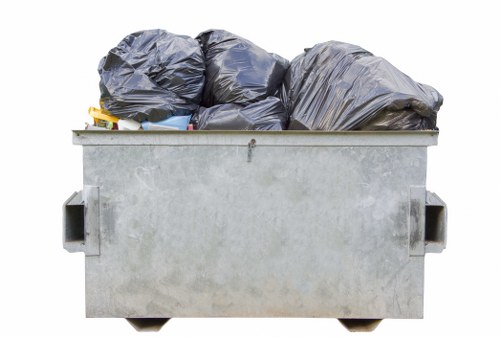
Garden clearance in Hammersmith is about restoring usable outdoor space with careful removal of green waste, broken fixtures, old planters, soil bags and other unwanted items that have built up over time. We handle clearances for front gardens, rear gardens, courtyards and shared outdoor areas, with the aim of leaving the space ready for the next stage of use. If you need a practical way to clear an overgrown or cluttered garden, our service is set up to manage the work efficiently and responsibly.
Our approach is suited to households, landlords, managing agents and businesses that need a clean, straightforward solution rather than a drawn-out project. We can clear mixed garden materials, separate recyclable waste where possible and remove items that need careful handling. The result is a tidier outdoor area with less strain on your time and less disruption to the rest of the property. If you are comparing options, start by identifying what needs removing and what should stay.
For a clear scope and a quotation, use the service pages below to match the work you need. Pricing and quotes can help you understand what information is useful, and a short message with the basics of the job is usually enough to begin. If you are ready to move forward, contact us with the type of garden clearance you need.
What garden clearance can include
Garden clearance often covers more than bagging up leaves or cutting back a few plants. Over time, outdoor spaces can collect broken fencing, damaged pots, plant containers, trellis, timber offcuts, compost sacks and general garden clutter. We can remove a broad mix of non-hazardous outdoor waste and separate it for the most suitable disposal route. This is useful when the space needs to be reset before gardening, decorating, lettings work or simple day-to-day use.
Some jobs are mostly green waste, while others are a mix of soft vegetation and harder materials. A good clearance plan takes account of access, weight, volume and sorting. If there are items that are too large or too awkward for ordinary bins, they can be taken away as part of the same visit. Clearances also help when the garden has become difficult to manage because of accumulated rubbish, weather damage or inherited contents left outdoors.
Where useful, we can also manage related removal jobs through other service pages. For example, a garden that includes a shed full of extras may need a broader garage clearance style approach to tackle mixed stored items, while larger household changes may involve a wider home clearance. Keeping the job grouped properly can make the work more straightforward and the quotation easier to set out.
Green waste, hard waste and mixed outdoor items
Outdoor clearances are rarely limited to one material stream. Soft growth such as cuttings, weeds, hedge trimmings and pruned branches may sit alongside broken garden furniture, old compost bags, cracked pots and weathered timber. Handling them together requires a sensible split between what can be recycled, what must be disposed of and what may need separate treatment. Our service is intended to cope with those mixed conditions without turning the job into several separate visits.
If the garden has been neglected, the work may need to begin with a fuller sort through what is in place. That can include removing loose debris from beds and borders, taking away collapsed materials and clearing paths or side passages so the remainder of the space can be reached. Practical access matters, especially in terraced or shared properties where items must be carried through narrow routes. Careful planning helps reduce avoidable delay and protects surfaces along the way.
When you are deciding what to include, it helps to separate green waste from items that are simply bulky or damaged. If you have a mixture, mention that in your enquiry so the scope can be described clearly. Useful supporting pages such as garden clearance and waste removal can help you match the service to the kind of material involved.
Clearances for domestic and managed properties
Garden clearance in Hammersmith is often needed at homes, but it can also support landlords, letting teams and property managers who need outside areas reset between occupiers. Shared courtyards, small yards and boundary spaces can gather abandoned items quickly, particularly where several people use the same area. A well-planned clearance makes it easier to return these spaces to a manageable condition without creating unnecessary disruption to neighbours or residents.
In domestic settings, the work may involve a simple seasonal tidy-up or a more involved removal after a long period of neglect. In managed properties, the focus is often on removing what no longer serves the space while keeping the job efficient and easy to document. If indoor contents are also part of the same project, separate flat clearance or house clearance options may be more suitable for the broader task.
Good results usually depend on being clear about access, entry points and any items that should remain in place. Two details are especially useful: what is being removed, and whether anything is fragile, fixed or shared with another property. You do not need a long explanation to begin. A brief outline is enough to request a quotation and allow the work to be scheduled sensibly.
How we handle the work
The practical side of garden clearance starts with sorting the contents of the area and deciding how the removal should be carried out. We look at the type of waste, how much there is and how it can be moved safely. That may include taking apart awkward items where appropriate, gathering lighter materials first or planning the carry route so the clearance is completed in an orderly way. The aim is to keep the job controlled from start to finish.
For many customers, the most helpful part is simply knowing that mixed outdoor waste can be dealt with in one visit. That can include old plant pots, rotted timber, faded furniture, broken accessories and bags of cuttings that have built up over time. Where the work also includes larger or heavier objects, the team can treat them as part of the same clearance rather than leaving them behind to become a second job later on.
If you want to compare related services, furniture disposal may suit individual bulky items, while a more general business waste removal page may be relevant for outside areas attached to commercial premises. Choosing the nearest fit helps keep the quotation accurate and the scope easy to understand.
Materials, recycling and sensible disposal

Good garden clearance is not only about loading waste; it is also about handling different materials properly. Green waste, wood, plastics, metal and mixed refuse should not always be treated in the same way. Where items can be separated for recycling or recovery, we do so as part of the process. That is especially useful when a garden includes both natural waste and leftover household materials that have ended up outdoors.
The exact disposal route depends on the contents of the job, but the principle stays the same: take away what is no longer needed and direct it responsibly. This matters when the clearance includes a run of damaged items, old furniture or items that have spent a long time outside and are no longer suitable for reuse. If the garden contains waste from building work rather than standard maintenance, the related builders waste clearance page may be the better match.
A thoughtful clearance also reduces the chance of unwanted material being left behind by accident. Sorting early can prevent confusion where similar-looking materials belong in different streams. If your project involves multiple waste types, it is worth saying so at the quotation stage so the removal plan reflects the actual contents of the space.
Access, preparation and what to tell us
To request a quotation, it helps to give a brief description of the outdoor space and the main items that need removing. Useful information includes whether the garden is front or rear facing, whether there are steps or narrow side passages, and whether the clearance involves loose waste, bulky items or both. If there are any restrictions on access, please mention them early so the job can be planned around the property layout.
Photographs can also be helpful when the area is cluttered or when there are several different materials to remove. They are especially useful for showing item size, volume and access points. You do not need to tidy everything first; the point is simply to show what is there. A concise description and a few clear images normally provide enough context to prepare a practical quotation without unnecessary back-and-forth.
For a broader idea of the factors that influence the price, see pricing and quotes. If the space also contains stored household items rather than only garden waste, the related furniture clearance or loft clearance pages may offer a better description of the overall job. It is usually best to choose the page that matches the actual contents most closely.
About Hammersmith
Hammersmith is a riverside district in west London, positioned on a curve of the Thames and long associated with crossings, commerce and movement through the capital. Its history is visible in the mix of streets, terraces and larger civic buildings that grew as the area developed from a river-linked settlement into a busy urban centre. The district sits within the London Borough of Hammersmith and Fulham, and its identity is shaped by both residential neighbourhoods and well-used transport corridors. Hammersmith Bridge is one of the best-known landmarks connected with the area, linking the north side of the river to Barnes and acting as a reminder of the location’s longstanding relationship with river traffic and westward movement. The riverfront itself has changed over time, but it remains a defining feature of the local landscape, with paths, embankments and views that contrast with the denser streets inland. The area is also known for a strong cultural presence, including the Eventim Apollo, a major venue that contributes to Hammersmith’s reputation for live performance. Nearby public spaces such as Ravenscourt Park provide open green relief within the urban fabric, while the commercial core around King Street and the Broadway reflects the district’s role as a local centre for shopping and services. Older buildings, newer developments and transport infrastructure sit side by side, creating a place where historic layers and modern use are both visible. Hammersmith’s position on several major routes has made it an important connector between inner west London and the wider city, and that connectivity has influenced its growth for generations. Today it remains a busy, mixed-use part of London where residential streets, offices, shops and riverside amenities all share the same compact geography.
Garden clearance for different property types
Not every outdoor space is laid out in the same way, so the clearance method should suit the property rather than follow a fixed pattern. A small courtyard may need careful handling because access is tight and items must be removed through the building. A larger rear garden may involve more walking distance, thicker vegetation and a greater mix of waste types. The right plan takes those differences into account so the work is completed efficiently and with less disturbance.
Some properties include separate side returns, basement steps, outhouses or rear alleys that affect how waste can be carried out. Others have narrow gates or shared entrances that require extra care around timing and movement. When the route is understood in advance, the clearance can be organised to fit the space properly. This is one reason why a short outline of the property layout is more useful than a long general description of the problem.
If your project extends beyond the garden into another area, you may find garage clearance useful for outbuildings, or office clearance if the premises are commercial and include exterior storage. Matching the scope to the right service keeps the job focused and helps avoid confusion about what is included.
Planning the quotation and final removal
Once the scope is clear, the next step is to shape the quotation around the actual amount and type of waste involved. A good quotation should reflect what needs taking away, how easy it is to access and whether there are any extra handling considerations. It should not assume that every garden clearance is the same, because a simple bagged cuttings job is different from a mixed clearance with bulky broken materials. The details matter.
We aim to keep the process straightforward. If you are sending an enquiry, give a concise summary of the garden, list any large items and mention any limitations on access or parking. If there are separate areas to clear, say so at the same time. That helps avoid revision later and makes it easier to set expectations clearly before the work begins. Clarity at the start saves time later.
When you are ready, you can move from planning to action without having to overcomplicate the process. Use the quotation page if you want to compare the service against your budget, or go straight to contact us with the job details. A short, accurate description is usually enough to begin the next step.
Related removal services
Garden clearance often sits alongside other removal needs, especially when a property is being reorganised or handed over. If the outdoor space contains a large amount of general rubbish rather than mainly green waste, the broader waste removal page may be more appropriate. Likewise, if the job includes old domestic fixtures that have been kept outside, a specific furniture clearance service can sometimes be a better match for the item mix.
Where the clearance is part of a larger reset of the property, it may make sense to think through the whole job in stages. The garden can be dealt with at the same time as internal areas, but each part should be described separately so nothing is missed. For example, a house project might involve a house clearance indoors and garden work outside, while a business premises may need business waste removal for external storage and service areas.
Two simple pieces of advice still apply before any quotation is prepared: identify the biggest items, and say whether the waste is mainly green, mixed or bulky. Those details make it easier to assess the work accurately. If you want to take the next step now, contact us with a brief outline and request a quotation.
Keeping the service practical and well matched
For many customers, the main benefit of a proper garden clearance is that it turns an awkward outside area into one that can be used again without delay. That could mean clearing a path to the shed, opening up a seating area or simply removing the accumulated items that make the space feel difficult to manage. The service is designed around that practical outcome, with attention to sorting, lifting, loading and disposal handled as one organised task.
As with any removal work, the best results come from matching the scope to the right service page and giving enough detail for the job to be assessed sensibly. If your requirement is small and simple, a concise description is all that is needed. If it is more involved, mention the mixture of materials and the access conditions. Either way, the aim is to make the quotation process straightforward and the clearance itself well planned.
When you are ready to go ahead, use the main service pages to check the most suitable option, then request a quotation in plain terms. For garden clearance in Hammersmith, a clear summary of the space and the waste is the best starting point, and the final step is simple: request a quotation.